Get Commercial Slab Construction
Commercial Slab Construction services help property owners build durable concrete foundations for warehouses, retail spaces, or industrial facilities, solving structural and load-bearing challenges.
Commercial slab construction services are a practical solution for property owners planning new developments, expansions, or upgrades to existing facilities. Whether establishing a foundation for a warehouse, retail space, or industrial building, choosing the right local contractors can ensure the project is completed with quality and precision. Exploring your options and comparing different service providers can help you find experienced professionals who understand the specific demands of commercial projects in the area.
By considering local contractors for your slab construction needs, property owners can benefit from their familiarity with regional building codes, soil conditions, and logistical considerations. This knowledge can contribute to smoother project planning and execution. Keep reading to learn more about how these service providers can support your commercial construction goals and help you make informed decisions for your property.
- Industrial warehouses - when a large, durable slab foundation is needed to support heavy equipment and storage racks.
- Commercial retail spaces - for constructing sturdy slabs that form the base of shopping centers and storefronts.
- Office buildings - when a reliable concrete slab is required to provide a solid foundation for multi-story structures.
- Parking garages - for creating durable, level surfaces capable of handling high vehicle traffic.
- Medical facilities - when precise, strong slabs are necessary to support specialized equipment and infrastructure.
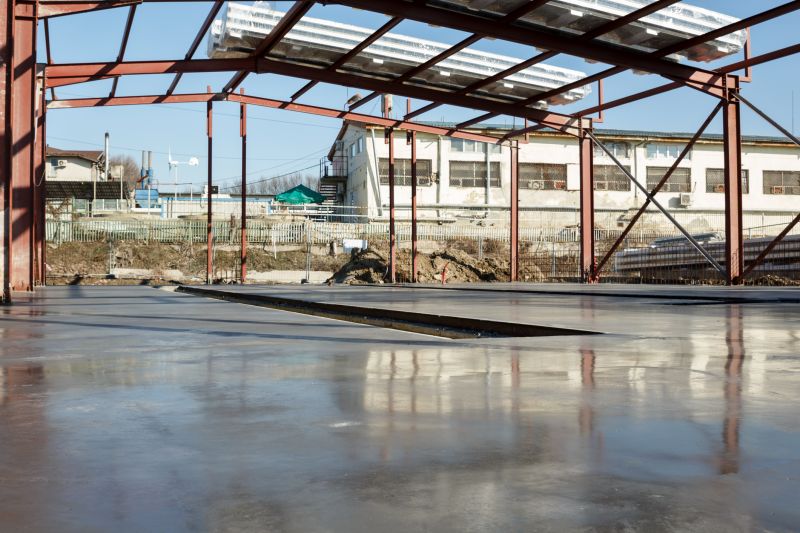
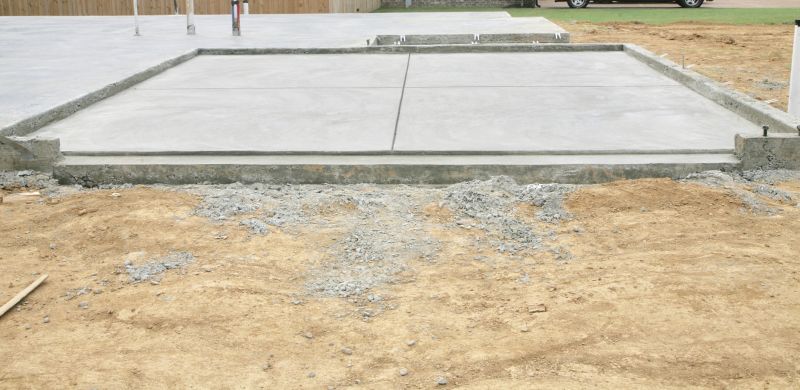
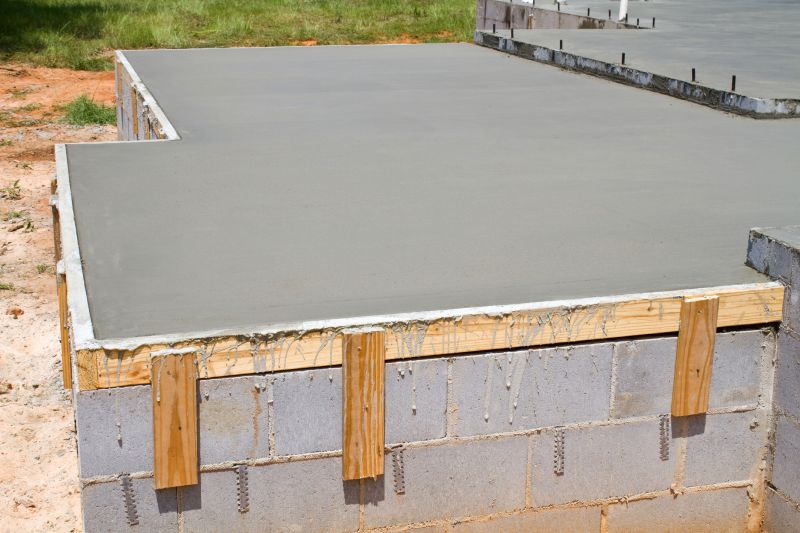
Commercial slab construction services involve the creation of durable, level concrete foundations for a variety of business and industrial properties. This process typically includes site preparation, formwork, reinforcement, pouring, and finishing of concrete slabs. These slabs serve as the foundational surface for structures such as warehouses, retail stores, manufacturing facilities, office buildings, and parking garages. Engaging experienced contractors ensures that the foundation is built to support the weight and usage requirements of the specific property, providing a stable base that can withstand daily operations and environmental factors.
One of the primary problems that commercial slab construction helps address is the need for a reliable and level foundation. Poorly constructed slabs can lead to issues like uneven floors, cracking, and structural instability, which may result in costly repairs or safety hazards down the line. By investing in professional slab construction, property owners can mitigate these risks, ensuring that the building's foundation remains solid and secure over time. Additionally, proper slab installation can improve the property's overall durability, reduce maintenance needs, and enhance safety for occupants and visitors.
This service is commonly utilized for properties that require large, flat surfaces capable of supporting heavy loads. Warehouses and manufacturing plants often need thick, reinforced slabs to accommodate heavy machinery and storage racks. Retail centers and office complexes may use slab construction for parking areas, loading docks, or foundation bases for the main structures. Property owners seeking to expand or retrofit existing facilities also turn to commercial slab construction to ensure their properties meet structural standards and operational demands. This service is essential whenever a stable, level base is necessary for the safe and efficient use of a commercial space.
Homeowners or property managers who are planning large-scale renovations or new construction projects might need to connect with local contractors specializing in commercial slab work. While typically associated with larger properties, this service can also be relevant for multi-unit residential buildings, community centers, or institutional facilities. If there are issues with existing slabs, such as cracking or sinking, professional slab repair or replacement services may be required. Contacting experienced local contractors can help determine the best approach to ensure a solid foundation that supports the long-term use and safety of the property.
The overview below groups typical Commercial Slab Construction projects into broad ranges so you can see how smaller, mid-sized, and larger jobs often compare in your area.
In many markets, a large share of routine jobs stays in the lower and middle ranges, while only a smaller percentage of projects moves into the highest bands when the work is more complex or site conditions are harder than average.
Small Repairs - typical costs for minor slab fixes like crack repairs or surface patching range from $250-$600. Many routine jobs fall within this middle range, with fewer projects reaching the higher end of the spectrum.
Moderate Repairs - larger repairs such as partial replacements or significant crack sealing generally cost between $1,000-$3,000. These projects are common for commercial properties needing structural reinforcement.
Full Replacement - complete slab replacements for larger areas can range from $5,000-$15,000 or more, depending on size and complexity. Many full replacements are at the higher end, especially for extensive or complex projects.
Complex or Custom Projects - highly specialized or custom-designed slabs may exceed $20,000 in costs. Such projects are less frequent and typically involve unique specifications or challenging site conditions.
Actual totals will depend on details like access to the work area, the scope of the project, and the materials selected, so use these as general starting points rather than exact figures.
Parking Garage Construction - involves the use of large-scale concrete slabs and structural planning similar to commercial slab projects, requiring expertise in reinforcement and load-bearing design.
Warehouse Floor Installation - requires durable concrete slabs with precise leveling and reinforcement, paralleling the skills used in commercial slab construction.
Industrial Facility Foundations - involves planning and pouring concrete slabs for heavy machinery support, utilizing similar techniques and tools as commercial slab projects.
Retail Store Flooring - includes installing large concrete slabs with smooth finishes, requiring coordination and planning akin to commercial slab work.
Public Infrastructure Paving - involves large-scale concrete slab work for sidewalks, plazas, and walkways, sharing skills in planning and reinforcement with commercial slabs.
Office Building Foundations - entails designing and pouring foundational slabs that support commercial structures, utilizing comparable skills and materials as commercial slab construction.
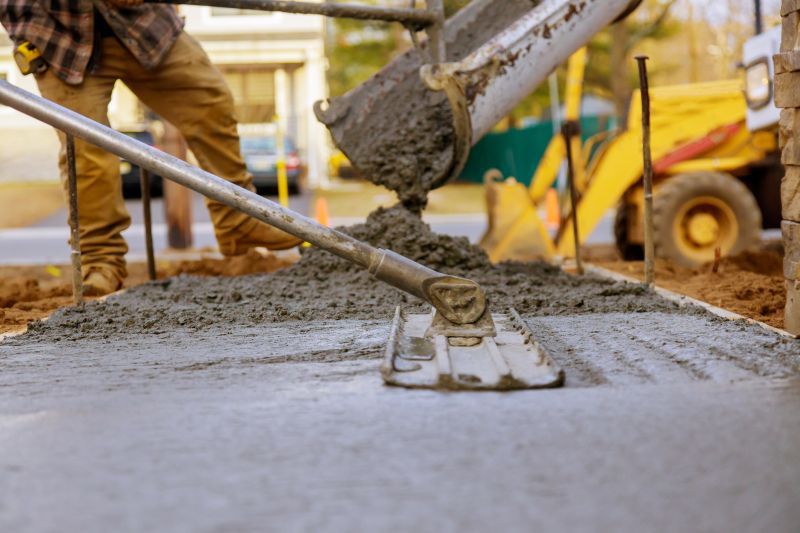
When comparing service providers for commercial slab construction, it is important to evaluate their experience with projects similar to the one at hand. A contractor with a history of successfully completing comparable jobs can offer insights into potential challenges and effective solutions. This experience often reflects their familiarity with local building codes, site conditions, and industry standards, which can contribute to a smoother project process. Reviewing the backgrounds of local contractors helps ensure that their expertise aligns with the specific requirements of the project, reducing the likelihood of unforeseen issues.
Clear, written expectations are a key factor in choosing a reliable service provider. A reputable contractor should be able to provide detailed descriptions of the scope of work, materials to be used, and the responsibilities of each party involved. Having these expectations documented helps prevent misunderstandings and provides a reference point throughout the project. Homeowners should seek out local pros who communicate their process transparently and are willing to discuss any questions or concerns in writing, fostering a foundation of trust and clarity from start to finish.
Reputable references and effective communication are essential when selecting a commercial slab construction service provider. Local contractors with a track record of satisfied clients can offer insights into their work quality, reliability, and professionalism. Additionally, good communication skills ensure that homeowners are kept informed and involved throughout the project. While the site introduces homeowners to local options, it is important to remember that it does not perform the work itself. Instead, it serves as a resource to connect with experienced service providers who can handle the job efficiently and to the homeowner’s satisfaction.
Property owners use Commercial Slab Construction services for practical projects around their homes and businesses. This guide focuses on everyday jobs and straightforward project options.
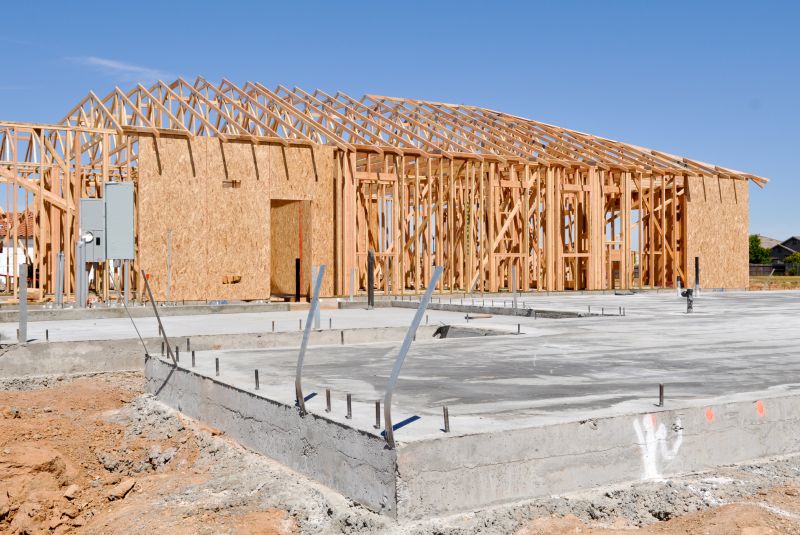
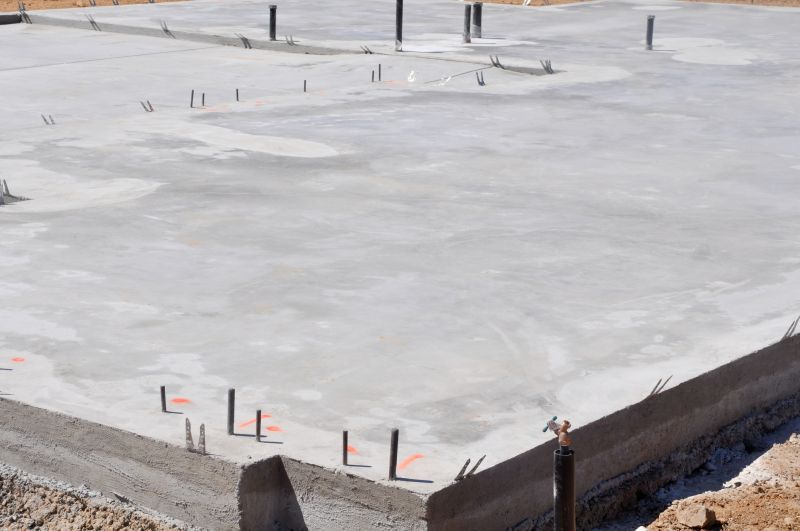
Commercial slab construction services are often needed when property owners are developing new facilities, expanding existing structures, or replacing worn-out concrete surfaces. Local contractors can assist with pouring foundations for warehouses, retail spaces, or office buildings, ensuring a sturdy base for future use. Business owners may also seek these services to repair or replace cracked or damaged slabs that can affect safety or accessibility, helping maintain the property's functionality and appearance.
Property owners in the area might look for commercial slab construction work to support renovations, upgrades, or new construction projects. Whether installing a new parking lot, loading dock, or industrial flooring, local service providers offer the expertise to handle various project sizes and requirements. Choosing experienced contractors ensures that the work meets the necessary standards, providing a reliable foundation that supports the property's ongoing operations.
What are commercial slab construction services? Commercial slab construction services involve the design, preparation, and pouring of concrete slabs for commercial buildings, such as warehouses, retail spaces, and office complexes.
How do local contractors prepare for commercial slab projects? Local contractors typically assess site conditions, prepare the foundation area, and ensure proper reinforcement before pouring the concrete slab to meet project specifications.
What types of commercial slabs are commonly constructed? Common types include reinforced concrete slabs, flat slabs, and post-tensioned slabs, each suited to different building requirements and load capacities.
What factors influence the quality of a commercial slab installation? Factors include proper site preparation, quality of materials used, reinforcement placement, and adherence to industry standards by local service providers.
How can property owners find experienced commercial slab contractors? Property owners can contact local service providers who specialize in commercial construction to compare their expertise and choose the right contractor for their project.
Commercial Slab Construction - Property owners planning to build or expand retail spaces can rely on local contractors to create durable, level foundations for storefronts and warehouses.
Industrial Facility Foundations - Business owners constructing manufacturing or storage facilities can utilize slab services to ensure a strong base that supports heavy equipment and high traffic.
Parking Lot Foundations - Developers and property managers can work with local pros to install solid concrete slabs that serve as reliable parking surfaces for commercial properties.
Outdoor Business Spaces - Entrepreneurs designing patios, walkways, or outdoor seating areas can find local contractors to provide sturdy slabs tailored to their project needs.
If you are thinking about Commercial Slab Construction for a property, this guide is meant to help you understand the work, the typical project types, and how different options might fit your plans.
When you are ready, you can use the quote form on this page to share a few details about your project. From there, local pros can review the basics and respond with options that match what you have in mind.